Short answer: In November 2026 the TBMM Industry, Trade, Energy, Natural Resources, Information and Technology Committee accepted a clause that would waive collection of unpaid General Health Insurance (GSS) premiums accrued before 1 January 2017, including late fees and surcharges. Roughly 2.2 million people and about TRY 5.6 billion in principal are cited in public briefings. The draft is not yet law: it still needs the General Assembly and Official Gazette. e-Devlet balances are not cleared automatically. Debts from 2017 onward and amounts already paid stay outside the write-off. Bağ-Kur (4/b) premiums are a different line.
“GSS debts are gone” travels on social media as a finished job. On the file desk it is not finished. Committee approval is not a statute. A statute needs the General Assembly and publication in the Official Gazette. This guide sorts the publicly reported draft the way company owners and sole proprietors should read it: which debt, which insurance status, which screen.
Monthly Bağ-Kur sits in Bağ-Kur premium 2026. Payroll and SGK files sit under payroll and SGK. In our Kızılay office we build the same split beside the e-Devlet printout.
Is it law yet, or still a draft?
The 15-article package tabled on 12 November 2026 would add a temporary article to Law 5510 waiving GSS receivables, alongside energy and employment clauses. The relevant committee accepted it on 18–19 November. Next steps: General Assembly, presidential assent, Official Gazette. The GSS clause is framed to enter into force on publication.
So the honest answer to “have the debts been deleted?” is: not yet in practice. SGK screens, e-Devlet GSS queries and any health-access or enforcement limits can stay as they are until the law and the institution’s application land. Do not confuse a headline with your balance.
Which debts would be written off?
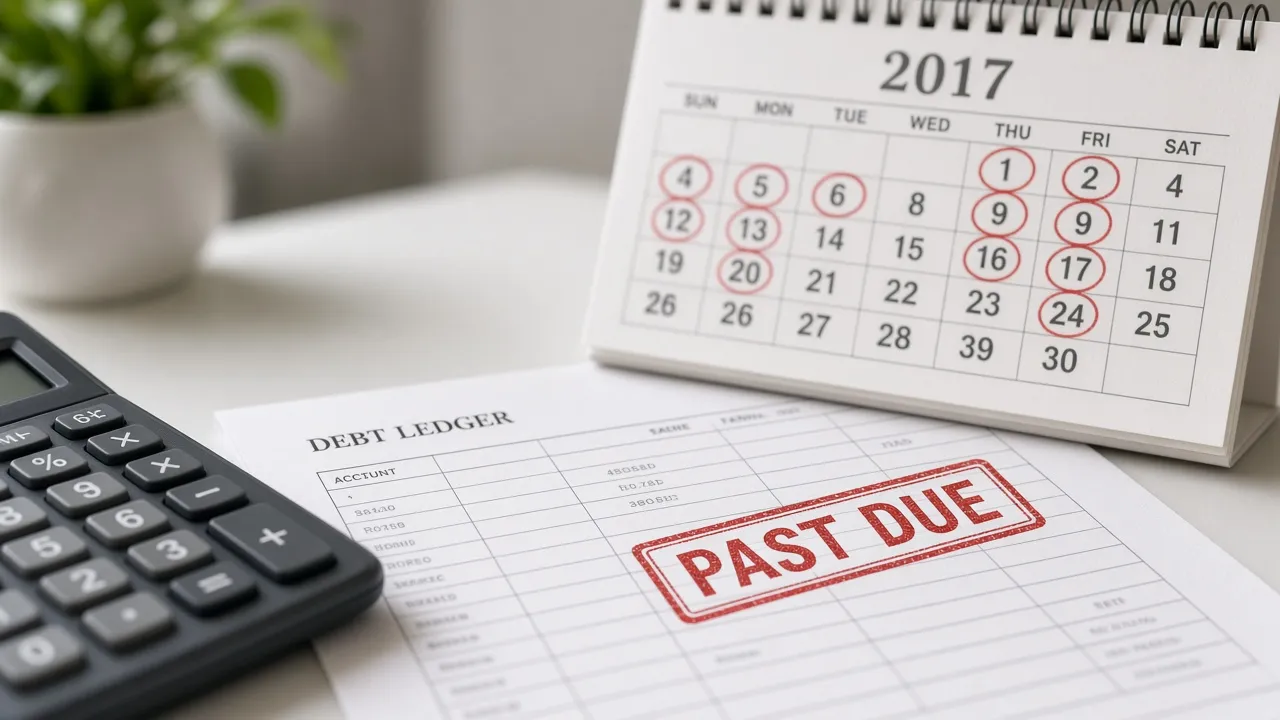
As publicly described, unpaid general health insurance premiums belonging to periods before 1 January 2017, plus linked late fees, surcharges and similar accessories, would no longer be collected. Principal and accessories move together; it is not an “interest-only” model.
| Topic | Draft frame | Note |
|---|---|---|
| Period | Before 1 Jan 2017 | 2016 and earlier |
| Status | Still unpaid | Paid amounts: no refund/offset |
| Components | Premium + late fee/surcharge | Accessories included |
| GSS from 2017 on | Out of scope | Debt continues |
| Bağ-Kur 4/b | Not this clause | Separate assessment |
| Application | Expected automatic write-off | Watch SGK circulars |
Public impact figures cite about 2,199,869 people and TRY 5,627,666,000 of premium debt. Those numbers come from political briefings; the definitive list sits in SGK records.
Who is covered? (Art. 60/1-g)
The draft mainly concerns people registered under Article 60(1)(g) of Law 5510 — those treated as general health insurees who must pay their own GSS premium when no other social-security cover appears. In practice: gaps after unemployment, study, informal work or “I had no insurance” years.
Being unemployed alone is not enough; the period and registration status matter. An active 4/a employment line or 4/b Bağ-Kur assessment is not replaced by this write-off sentence.
Do not mix GSS with Bağ-Kur
The sentence we hear most from sole props and limited-company partners is: “My SGK debt is being cancelled — is Bağ-Kur gone too?” No. This draft targets unpaid pre-2017 GSS (general health) receivables. Trader / partner Bağ-Kur is a separate assessment; monthly amounts sit in Bağ-Kur 2026 and the Bağ-Kur calculator.
A limited-company partner is often on Bağ-Kur and may still carry an old GSS (g) balance. Both lines can appear side by side on e-Devlet. One write-off does not erase the other. Sole prop versus limited is in sole prop or limited; insurance status is the second line after company type.
Bars show a typical mix-up share; your screen differs. The call turns on period and insurance code.
No refunds for those who already paid
The draft states clearly: premiums paid for those periods up to the publication date will not be refunded or offset against other debts. “The committee passed it, so I should pay / wait now” does not open a refund door. Paid amounts stay paid; unpaid amounts are write-off candidates once the law is in force.
GSS built up from 2017 onward is a separate file. Health access, enforcement or restructuring options for that line follow the old rules. If late interest is growing on other assessments, use the late-interest calculator and the late-payment interest guide — this GSS waiver does not clear every surcharge line.
What should you check on e-Devlet?
- Open GSS / general health insurance debt and registration screens; split periods into pre-2017 and later.
- In the same session check Bağ-Kur and 4/a debt lists; “SGK debt” is not one box.
- Mark paid versus unpaid lines; do not expect a refund.
- Wait for Official Gazette publication and the SGK notice; clearing the screen is institutional work.
- If you run a company file, close Bağ-Kur assessments with your accountant separately.
Skipping an old GSS balance when you form a new company can surprise you later on health access or enforcement. The first-year checklist is in new company first year; put the insurance line on the tax calendar.
A practical order for company files
On the Kızılay desk the order is: GSS period list first, Bağ-Kur assessment second, paid/unpaid marks last. A partner or sole prop should not postpone this month’s premium because “SGK debt is being cancelled.” Post-2017 GSS and current Bağ-Kur stay on the file even if the draft becomes law.
If you employ staff, 4/a declarations and incentive lines are a separate pack — see employer SGK incentives and the first-employee payroll checklist. A GSS write-off does not erase employer premium debt or missing-day penalties. When tax advice is needed, bring the same screen printout to tax advisory.
Other clauses in the same package (energy, employment-incentive extensions and so on) are outside this guide. For your file one question is enough: is the line GSS (g) or Bağ-Kur, and which period?
Sorting it at the office with an e-Devlet printout
A news story and the SGK screen are not the same thing. At our office on Atatürk Bulvarı, Meşrutiyet Mah. No: 105/815 in Kızılay we split your e-Devlet GSS and Bağ-Kur printouts by period. Directions: Google Maps — office. What to bring is in the first meeting list.
Frequently asked questions
Have GSS premium debts already been deleted?
No, not yet in practice. The draft passed committee; General Assembly and Official Gazette are still ahead.
Which years of GSS debt would be cancelled?
Under the draft: unpaid GSS premiums from before 1 January 2017, plus late fees and surcharges. 2017 and later stay out of scope.
Do I need to apply?
Public briefings emphasise an automatic write-off without a separate application. Follow the published text and SGK circulars for the final procedure.
Will GSS I already paid be refunded?
Under the draft, premiums paid up to the publication date will not be refunded or offset.
Does this cancel my Bağ-Kur debt too?
No. This clause does not erase Bağ-Kur 4/b. GSS (g) and Bağ-Kur are separate lines — read both on e-Devlet.
Does a limited-company partner benefit?
Only if there is an unpaid pre-2017 GSS (g) balance. Active Bağ-Kur premium is not this write-off’s subject.
In short
The committee accepted a waiver of unpaid pre-2017 GSS premiums and accessories; the law is not in force yet. Post-2017 GSS and Bağ-Kur stay separate; payers get no refund. Read the screen by period and insurance code.
At Ankara Muhasebeci in Kızılay we build the GSS–Bağ-Kur split from the e-Devlet printout. Location: Google Maps. To talk, get in touch, or see payroll and SGK and tax advisory.
One line: a committee headline does not clear the screen — do not put pre-2017 unpaid GSS and Bağ-Kur in the same bag.